
What Are The Best On Cloud Replacement Insoles? (Full Guide)

Your On Cloud shoes still look great. But your feet know the truth. That cushioned, springy feel you fell in love with is fading fast. On Cloud replacement insoles fix that problem without buying a new pair of shoes.
On built its brand on one thing: CloudTec cushioning. Hollow pods in the outsole compress on landing and lock together for push-off, and that's the sensation that pulled runners away from other running shoes and everyday sneakers.
The Cloudmonster delivers a thick, plush version of this ride, and it's a popular choice for people who want all-day comfort and maximum cushioning in one shoe.
But the thin factory insole sitting on top of that midsole isn't built to last as long as the rest of the shoe. Most owners find the foam flattens long before the outsole, midsole, or upper show real wear. And On doesn't sell standalone replacement insoles for Cloud shoes, so most people never realize an upgrade is possible.
It is possible. This guide covers why your insoles wear out, what to look for in a replacement, and which footwear accessories actually work in an On Cloud shoe. Whether you're shopping for yourself, a husband who runs on the weekends, or the whole family's sneakers, the same rules apply.
Why On Cloud Shoes Need Replacement Insoles
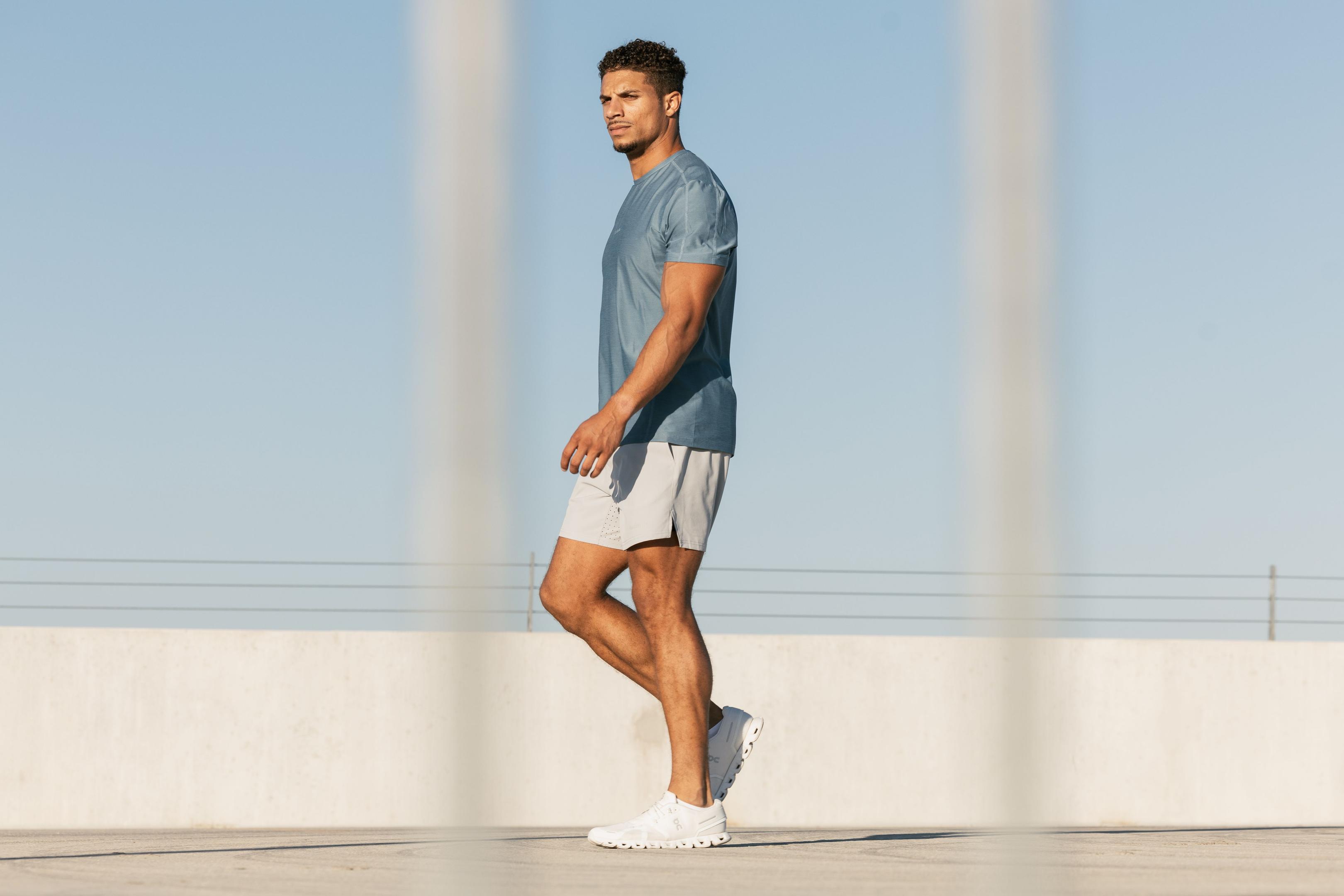
CloudTec cushioning shapes how an On shoe feels underfoot. But the insole touching your foot directly is thinner and wears out faster than the midsole under it.
According to a podiatrist writing for Vionic Shoes, insoles should generally be replaced every six months, or sooner if you notice flattening. Shoes themselves tend to last 300 to 500 miles of walking or running. If you run, walk, or stand for hours in your Cloud shoes, that mileage adds up fast.
Stock insoles give you a lightweight, basic feel. They aren't shaped for your specific arch type. If you have flat feet, high arches, or plantar fasciitis, the factory insole was never built to support you long-term.
Customized insoles solve this by providing specific arch support based on your foot type instead of a one-size-fits-all shape. Replacement insoles also restore cushioning and energy return that the stock liner has lost. That difference shows up fast once you switch.
Signs It's Time to Replace Your On Cloud Insoles
You don't need a lab test to know your insoles are done. Your feet tell you first.
-
The insole feels flat or compressed
-
New heel or arch pain that wasn't there before
-
Visible creasing or a shiny, pressed-down look
-
Odor that lingers even after airing the shoe out
-
The ride feels different than when the shoe was new
If two or more sound familiar, the insole is the problem. Not the shoe.
What to Look for in On Cloud Replacement Insoles
On Cloud shoes fit close to the foot. That changes what makes a good replacement insole compared to a bulkier trail or work shoe.
-
Low profile. A thick insole crowds the shoe and changes how the midsole feels. Full-length insoles designed for On Cloud shoes should enhance cushioning without fighting the shoe's shape.
-
Arch support matched to your foot. Flat feet need a firmer arch fill. High arches need cushioning that flexes instead of forcing a rigid shape.
-
Shock absorption. Look for materials built for soft landings under the heel and forefoot, not flat foam that compresses once and stays flat.
-
Breathability. You're wearing these for everyday wear, not just one run. Breathable materials keep moisture and odor from building up over a full week.
-
Shape retention. Insoles that hold their shape stay comfortable for months. Ones that don't will flatten again within weeks.
-
Durability. A replacement insole should outlast the factory liner by a wide margin, and it should maintain its shape after weeks of daily use, not just the first day out of the box.
-
Traction and protection. A quality insole should also protect your foot from hot spots and help traction underfoot stay consistent, whether you're on pavement, a treadmill, or a trail.
Most performance insoles on the market today are lightweight and improve comfort without adding bulk. That's the standard to hold any replacement insole to, no matter which brand you prefer.
On Cloud Insole Sizing Tips
On Cloud shoes generally run true to size. Match your insole size to your shoe size, or pick a trimmable insole you can adjust to fit.
Avoid insoles thicker than the original. They shrink your toe box space. If you have a wider base or wide feet, size up one and trim the edges.
The Best On Cloud Replacement Insoles

Not every insole belongs in an On Cloud shoe. Here's what actually works, starting with our own.
1. Z-Liner Custom Orthotic Insoles: Best Overall
Z-Liner insoles are self-customizing. There's no oven, no mold kit, and no doctor visit. You wear them daily for a few days, and they form to your foot naturally.
The arch region uses a denser material that adjusts to flat feet, neutral arches, and high arches alike. Foam insoles have the same shape for every foot. This one doesn't.
Our ZLTMHEXCORE honeycomb design uses hexagonal pods instead of flat foam. Each pod compresses and returns to form with every step, giving you real shock absorption and less fatigue by the end of the day.
The insole is fully breathable. A porous mesh and honeycomb lattice pump air through the material to wick moisture and fight odor. It's also anti-bacterial, anti-microbial, and machine washable, which is rare in this category since most competitors only allow spot cleaning.
Z-Liner insoles are low-profile by design, so they slide into the slim build of an On Cloud shoe without changing the ride. They also work well across other shoes in your closet, from cross-training shoes to work shoes, since the same low-profile build fits most styles of footwear. They come in full and half sizes for men, women, and youth, and every pair ships with a 100% money-back guarantee. A pair costs $29.99.
We don't sell insoles as an afterthought to a shoe or apparel line. Insoles are the whole business, which is why the softness, shape retention, and durability are engineered first, not added on.
2. Superfeet GREEN
Superfeet GREEN uses a semi-rigid shell built for high-arch support and a stable, controlled ride. It's a popular choice among runners who overpronate.
The trade-off is thickness. It can feel snug inside certain On Cloud models. It's also a standard shape, with no custom molding to your foot.
3. Powerstep Pinnacle
Powerstep Pinnacle pairs dual-layer cushioning with firm arch support. It suits neutral to mild arches and is often recommended for plantar fasciitis.
It's machine washable, which helps with daily use. Check the fit in your specific On Cloud model, since the moderate thickness varies by shoe.
4. Sof Sole Athlete
Sof Sole Athlete is the cheap pick, with gel cushioning at the heel and arch. It works fine for light running or casual wear.
Durability is the weak point. It won't hold up as well under heavy mileage as the other options here.
5. PCSsole Arch Support Insoles
PCSsole insoles naturally adjust to your specific arch type over 3 to 7 days, according to PCSsole's own product guidance. That break-in period is meant to create a more custom feel over time, not from the first wear.
They're built with moisture-wicking materials and are marketed for maximum cushioning and high-arch support for flat feet. Fit and firmness vary by model, so check sizing against your On Cloud shoe before you purchase.
How to Install Replacement Insoles in On Cloud Shoes
Swapping insoles in an On Cloud shoe takes a few minutes and no tools.
-
Remove the original insole. Most models lift out by hand.
-
Lay the original on top of your new insole and trim to match if needed.
-
Insert the new insole heel-first, then smooth it forward.
-
Lace up and walk around. Check for bunching or pressure points.
-
For self-molding insoles like Z-Liner, wear them daily so the foam can fully adjust to your foot.
Do On Cloud Insoles Come Out Easily?
Yes. Most On models have removable factory insoles that lift out without tools. A few models, like Cloud X and the Cloudmonster, use a light adhesive edge at the heel. Peel gently from that end, and it comes free.
On Cloud Insoles for Specific Foot Conditions
Different feet need different support. Here's how to match an insole to your issue.
-
Flat feet. You need arch fill and a firm base to control how the foot rolls through each step. High-arch support insoles help flat feet stay stable during the gait cycle. Z-Liner's denser arch zone molds to flat feet directly instead of forcing a generic shape.
-
Plantar fasciitis. You need a deep heel cup and firm arch support. Replacement insoles can relieve tension on the plantar fascia by reducing how much the arch flattens under load. The HEXCORE pods in Z-Liner absorb heel impact with every step, which helps with the sharp morning pain plantar fasciitis often causes.
-
High arches. You need cushioning that flexes under the arch, not a rigid shell that fights your foot's natural shape. Z-Liner molds around high arches instead of forcing a standard curve.
-
Running and light running. Energy return matters most here, along with reducing fatigue over long distances. Z-Liner's hexagonal pod design returns energy with every stride.
Talk to us about your foot type →
Frequently Asked Questions (FAQs)
Can you replace the insoles in On Cloud shoes?
Yes. Most On models have removable insoles you can peel out from the heel end. No tools are needed, and a new pair drops in within minutes.
What insoles are compatible with On Cloud shoes?
Any low-profile, full-length insole that matches your shoe size will work. On Cloud shoes have a snug fit, so avoid extra-thick insoles that crowd the toe box. Z-Liner insoles are built low-profile to fit performance sneakers like these.
How often should you replace On Cloud insoles?
Insoles typically last around six months with regular use, per Vionic's podiatrist guidance, though heavy runners may need to replace sooner. If you run daily, watch for flattening or fading arch support as your cue.
Are aftermarket insoles better than the ones that come with On Cloud shoes?
For most people, yes. Stock insoles prioritize lightweight over long-term arch support, and they aren't shaped for your foot. Aftermarket insoles like Z-Liner add custom-molded support, shock absorption, and better durability.
Will replacement insoles affect the fit of my On Cloud shoes?
A properly sized, low-profile insole shouldn't change your fit in any noticeable way. Replacement insoles can enhance the CloudTec midsole feel and add stability without losing the "Cloud" sensation. High-performance insoles with dual-density foam typically add only a few grams of weight.
Can I wash On Cloud replacement insoles?
It depends on the brand. Z-Liner insoles are machine washable, which is uncommon in this category. Most competitors, including Superfeet and Powerstep, recommend spot-cleaning only.
Upgrade Your On Cloud Experience
You bought your On Cloud shoes for the ride. Don't let a worn-out insole take that away.
The right replacement insole matches your foot type and how many hours a day you spend standing, walking, or running. Whether that's flat feet, plantar fasciitis, high arches, or just wanting lasting comfort and added support for daily use, there's an option above that fits. Every person's feet are different, so it's worth trying more than one if the first pick isn't quite right.
Z-Liner remains our pick for On Cloud owners: low profile, self-customizing, breathable, and $29.99 a pair. It's not waterproof, since the mesh top layer is built to breathe rather than seal out water, so keep that in mind for wet-weather runs.
Read what other buyers around the world say in the comments on our customer reviews page, then purchase your pair. We're confident enough in the fit that we'll absolutely refund you if it's not the right one.

