
Best ComfyWalk Insoles Alternatives (Supportive Walking Insoles That Don’t Flatten)

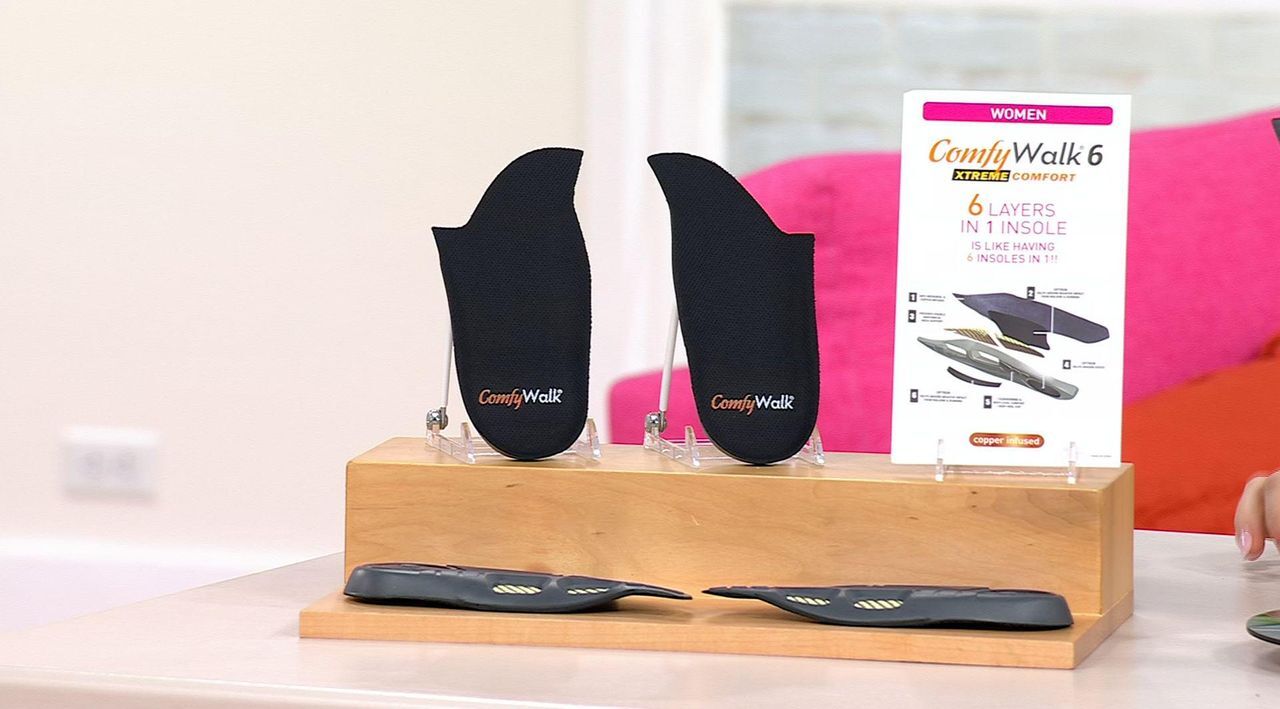
If you’re searching for Comfy Walk insoles alternatives, you probably like the plush feel of cushion inserts, but you want something that stays comfortable after weeks of walking, commuting, or standing all day.
Below are the best alternatives by use case (budget, work boots, plantar fasciitis, dress shoes), plus why some people upgrade to Z-Liner for a balance of cushioning and stability.
People want pain-reducing comfort they can feel immediately. They want something that helps relieve foot pain, heel pain, knee pain, and even back and foot pain. Comfy Walk women's insoles are especially noted for their comfort, support, and multi-layer design, offering affordability and effective impact reduction during walking and running.
Women's insoles, such as those from Comfy Walk, are designed for everyday comfort and convenience in a variety of shoes. And for many people, soft women’s insoles or casual inserts sound like the obvious solution.
But softness alone doesn’t equal support.
Most ComfyWalk insoles focus on cushion foam comfort. They feel great at first, but over time, they compress, flatten, and lose structure. And when that happens, the foot starts doing more work than it should.
That can trigger problems like:
-
Plantar Fasciitis
-
Heel pain
-
Shin splints
-
Ankle pain
-
Hip pain
-
Joint pain
If you’ve tried soft inserts before and still feel discomfort, this guide is for you.
Below, we break down what makes long-term comfort different, why many people switch away from basic cushion insoles, and which alternatives actually deliver real arch support, durability, and stability.
Check out this video where we compare Z-Liners with another foam insole:
One option in particular, Z-Liner shock-absorbing insoles, has become a favorite among people looking for a real upgrade. We’ll explain why.
Are ComfyWalk Insoles Enough for Real Support?
Soft cushion insoles absolutely have their place. They often feel great in new sneakers, high heels, casual shoes, or almost any pair of footwear when you first slide them inside.
Some ComfyWalk women’s insoles even use marketing terms like Swiss Tech, Swiss engineering, or revolutionary patented design to imply high performance. ComfyWalk insoles are made with premium materials, innovative Swiss engineering, and proprietary technology to deliver superior comfort and support.
But this is the key issue.
Soft foam flattens; structure matters. While soft foam may provide initial comfort, it lacks the engineering that maximizes comfort found in ComfyWalk insoles, which use advanced design and materials to maintain support and cushioning over time.
In fact, some inserts utilize proprietary material, such as Optron®, to deliver advanced comfort and support.
Common back and foot pain problems people report
Some inserts claim to contain polyurethane rubber and cushion foam, a unique combination of aramid fiber, or even Kevlar polyurethane rubber. But the resulting material still compresses, which means that support fades the more you walk.
That’s a problem because walking creates repeated impact forces through your feet. And when insoles lose structure, the foot collapses inward. This can contribute to foot and back pain, arch strain, or heel pressure. Advanced insoles are designed to eliminate negative impact by absorbing shock and supporting proper posture.
So yes, ComfyWalk insoles maintain maximum comfort, but only for a while.
Long-term comfort requires stability. A multi-layered design maximizes comfort and effectively reduces pain, fatigue, and injury by improving support and shock absorption.
What Real Comfort Actually Means: The Science Behind Support
Good insoles do three important things:
-
Absorb shock
-
Distribute pressure evenly
-
Support the arch so the foot doesn’t collapse
Advanced insoles like ComfyWalk feature a patented 6 layer technology, where each layer performs a specific function to maximize comfort, support, and pain reduction. This multi-layered construction includes a posture layer that actively improves body alignment and a better balance layer that enhances stability and provides superior arch support.
The fourth layer of the ComfyWalk Insoles delivers cushioning and next-level comfort, while the fifth and sixth layers absorb shock and its harmful effects on the entire body. This innovative design is a true piece of Swiss engineering, renowned for its precision and quality.
Basic memory foam?
It mostly delivers #1… briefly. Memory foam insoles mold to the foot's shape, offering personalized comfort.
Why softness fades
Cushion foams compress under body weight. Once compressed, they stop absorbing impact and stop supporting your arch, which means you’re back where you started.
Why structured insoles work better
A supportive insole should:
✔ stabilize the arch support
✔ keep the heel secure
✔ effectively reduce negative impact from walking
✔ support neutral alignment
✔ help maintain better posture
Advanced insoles can drastically improve your posture by providing comprehensive support through multiple layers, ensuring proper body alignment and overall health benefits.
This prevents pressure overload at the heel, arch, and forefoot, which helps reduce stress through the knees, hips, and spine.
That’s why many people with plantar fasciitis, heel pain, back pain, flat feet, and shin splints switch from soft cushion inserts to structured orthotics.
And this is where Z-Liner stands out, offering benefits that are the result of advanced engineering designed for lasting comfort and support
Features to Look for in Alternatives
When searching for the best alternatives to ComfyWalk Insoles, it’s important to focus on features that truly make a difference in your daily comfort and pain relief. The right insoles can help eliminate foot and back pain, alleviate joint pain, and provide lasting support for conditions like plantar fasciitis, flat feet, and heel pain.
Here’s what to look for:
1) Advanced Materials for Maximum Comfort
Seek out insoles made from materials that prioritize comfort. That way, your insoles deliver superior arch support, help absorb shock, and reduce the negative impacts from walking or standing all day.
2) Versatile Fit for Almost Any Pair
The best insoles are designed to fit perfectly in a wide range of footwear, from high heels and sneakers to work boots and casual shoes. A minimalist design ensures they won’t feel bulky, so you can enjoy pain-reducing comfort no matter what you wear.
3) Patented, Multi-Layered Construction
Look for revolutionary proprietary multi-layered designs that can provide immediate better posture and drastically improve your overall alignment. Each layer should perform a specific function, from absorbing shock to evenly distributing impact, for longer-lasting comfort.
4) Proven Pain Relief
The biggest benefit of a quality insole is its ability to effectively reduce foot pain, knee pain, hip pain, and back pain.
5) Easy Maintenance for Maximum Freshness
Choose insoles that can be hand-washed, so you can keep them fresh and free from odor or athlete’s foot. This is especially important if you’re on your feet all day or switch between multiple pairs of shoes.
6) Satisfaction Guarantee and Endorsements
A satisfaction guarantee gives you peace of mind. If the insoles don’t fit perfectly or fail to deliver pain-reducing comfort, you can return them.
7) Long-Term Durability
High-quality insoles made from durable materials like kevlar polyurethane rubber and cushion foam maintain their structure and support over time, so you won’t have to worry about them flattening out or losing effectiveness.
Ultimately, the right insoles should address your specific needs, whether you’re dealing with plantar fasciitis, flat feet, or just want to maximize comfort in your daily routine. Focusing on these features and choosing insoles with a unique combination of advanced materials and smart engineering can help eliminate foot and back pain and enjoying better posture with every step.
How to Choose the Right Comfy Insoles Alternative
When comparing comfy insoles alternatives, focus on more than softness alone:
-
Cushioning: Enough to absorb impact without collapsing
-
Support: Arch and heel stability to reduce fatigue
-
Durability: Materials that hold their shape over time
-
Shoe compatibility: Thickness matters
-
Your foot type: Flat, neutral, or high arches all benefit from different levels of structure
If your current insoles feel great for a week or two and then stop helping, that’s usually a sign they’re too soft for your needs.
Best Comfy Insoles Alternatives (Comfort That Lasts)
If you’re looking for comfy insoles alternatives, you’re likely trying to solve one common problem:
soft cushion insoles feel great at first, then flatten, lose support, and stop helping your feet.
Below are the most common alternatives people consider, followed by why many walkers choose Z-Liner as a longer-lasting upgrade.
1. Basic Cushion or Memory Foam Insoles
Best for: Short-term comfort, occasional wear
Feel: Very soft, plush underfoot
Cushion-only insoles are the most common alternative to “comfy” inserts. They provide instant softness and can reduce pressure temporarily, especially in casual shoes or sneakers.
Pros
-
Immediate comfort
-
Inexpensive
-
Easy to find
Cons
-
Foam compresses quickly
-
Minimal arch or heel stability
-
Comfort often fades within weeks
Verdict: Fine for light use, but not ideal for long days on your feet or ongoing foot pain.
2. Gel Insoles
Best for: Heel cushioning, impact-heavy activities
Feel: Squishy, shock-focused
Gel insoles are designed to absorb impact, particularly at the heel. They can feel comfortable initially, especially for walking on hard surfaces.
Pros
-
Good shock absorption
-
Helpful for heel pressure
Cons
-
Limited structure
-
Can feel unstable over time
-
Often too soft for all-day wear
Verdict: Better than basic foam for impact, but still lacks full-foot support.
3. Rigid Orthotic Inserts
Best for: Medical conditions, prescribed use
Feel: Firm, corrective
Rigid orthotics are built for control rather than comfort. They’re often recommended for specific biomechanical issues.
Pros
-
Strong structural support
-
Long lifespan
Cons
-
Can feel hard or uncomfortable
-
Little cushioning
-
Not ideal for people seeking “comfy” feel
Verdict: Effective for certain needs, but not what most people want when searching for comfy insoles alternatives.
4. Slim Dress Shoe Insoles
Best for: Dress shoes, loafers, low-volume footwear
Feel: Light cushioning, minimal support
These are designed to fit tight shoes where thicker insoles won’t work.
Pros
-
Low profile
-
Fits narrow shoes
Cons
-
Limited cushioning
-
Minimal arch support
Verdict: Useful for specific shoes, but not a true everyday comfort solution.
Why More Walkers Are Switching to Z-Liner Insoles
For people who want comfort that lasts beyond the first few weeks, Z-Liner stands out as a more balanced alternative to cushion-only insoles.
Rather than relying on softness alone, Z-Liner is engineered to manage impact, retain its shape, and support natural movement. This combination helps reduce the fatigue that often builds up during long hours of walking or standing—especially when traditional foam inserts begin to break down.
At the core of this difference is how Z-Liner handles energy with every step. When your foot hits the ground, the insole absorbs the initial impact, then efficiently redirects that energy forward as you move. The result is a walking experience that feels smoother and more responsive, instead of dull or draining over time.
Why People Choose Z-Liner Instead
Adaptive, Custom-Feeling Fit
Z-Liner gradually conforms to the natural contours of your foot through regular wear. This helps distribute pressure more evenly across the heel, arch, and forefoot, reducing hot spots and uneven load that can lead to fatigue.
Comfort + Support (Not One or the Other)
Many ultra-soft insoles feel good at first but collapse quickly. Z-Liner is built differently. Its structure maintains shape under repeated use, delivering consistent support while still feeling comfortable underfoot throughout the day.
Shock Absorption with Energy Return
Inside the insole is the ZL™️ Hexcore, Z-Liner’s honeycomb-based support layer compresses under load and quickly rebounds. Instead of absorbing impact and losing it, the design helps manage force directionally—dispersing shock while returning usable energy upward. This can reduce stress on the feet, knees, and lower back during daily movement, prolonged standing, or active walking.
Works in Most Shoes
Z-Liner fits comfortably inside sneakers, walking shoes, work boots, and casual footwear without feeling bulky. Trim-to-fit sizing allows for a more precise fit across different shoe shapes and widths.
Breathable & Easy to Maintain
A moisture-wicking top layer helps keep feet fresher throughout the day, and the insoles can be washed, making them easy to maintain for long-term use.
Who Z-Liner Is Best For
• Daily walkers and commuters
• People who spend long hours on their feet
• Anyone who wants a “comfy” feel without sacrificing structure
• Those frustrated by insoles that flatten or lose support too quickly
Who Might Want Something Else
• People needing ultra-thin inserts for tight dress shoes
• Anyone requiring fully custom medical orthotics prescribed by a clinician
How to Choose the Right Insoles for You
Not every foot needs the same type of support. The right insoles depend on your arch shape, the shoes you wear, and how much time you spend on your feet. When insoles fit perfectly and support your natural movement, they can help reduce heel pain, knee pain, ankle pain, and even back discomfort by improving alignment and evenly distributing impact.
Match Your Arch Type for Proper Arch Support
Flat feet
Flat arches tend to roll inward while walking. Stronger arch support helps stabilize your step, reduce strain on your heels and joints, and improve balance over time.
Neutral or high arches
If your arches are neutral or high, the best insoles combine cushioning with support. This prevents pressure spots while still absorbing shock, so every step feels more natural and less jarring.
Match Your Shoes
Your insoles should also work with the shoes you actually wear daily:
-
Sneakers or athletic shoes — cushioned stability works best
-
Work boots — durable support for long standing hours
-
Loafers and casual shoes — slimmer insoles with structure
-
Everyday walking shoes — support plus all-day comfort
-
Some high heels — targeted cushioning for pressure relief
The right pair should fit comfortably inside most shoes without feeling bulky.
Signs Your Current Insoles Aren’t Working
Common warning signs include:
-
Ongoing heel or arch pain
-
Legs that feel tired quickly
-
Shoes feeling unstable
-
Shifting weight to avoid discomfort
These usually mean your current insoles are too soft, worn down, the wrong size, or not suited to your foot type.
Soft ≠ Supportive
Cushion alone may feel good at first, but structure is what protects your joints and improves alignment.
Soft = comfort
Structure = stability
Z-Liner delivers both.
That’s what creates real, long-lasting comfort rather than just short-term cushioning.
Frequently Asked Questions
Are ComfyWalk insoles good for plantar fasciitis?
They may feel helpful at first because they’re cushioned, but many people with plantar fasciitis do better long-term with more structure, especially semi-rigid orthotic-style support and a deep heel cup that stabilizes the heel and supports alignment.
If your pain returns after a few weeks, that can be a sign your inserts are prioritizing softness over stability.
What features should I look for in comfy insoles alternatives?
For most daily walkers, the best “comfy” alternative combines cushioning + support, not one or the other.
Look for:
-
A deep heel cup to stabilize the heel, reduce slippage, and help keep the foot aligned (this can reduce stress that contributes to plantar fascia irritation).
-
Shock-absorbing cushioning, often using dual-layer foam, gel, or memory foam, especially under the heel and forefoot.
-
Semi-rigid support if you’re dealing with plantar fasciitis or flat feet, since it balances firmness (support) with enough flex for walking comfort.
Do Z-Liners help reduce back pain?
They can, especially if your back pain is influenced by how impact travels up through your feet and legs. When an insole improves stability and reduces harsh heel strike, many people feel less “beat up” after long walking or standing days.
Can insoles improve posture?
They can support better alignment by stabilizing the heel and supporting the arch. A deep heel cup helps keep the heel seated and aligned, which can influence the chain above it (ankle → knee → hip).
Are insoles only for athletes?
No. Many of the most common use cases are everyday: commuting, retail/warehouse work, travel, and anyone on hard floors for hours.
Do they fit women’s shoes?
Most brands offer women’s sizing, and many insoles are made in men’s/women’s sizes or are trim-to-fit.
Final Thoughts
ComfyWalk insoles do a good job at providing soft cushioning. They feel plush and comfortable at first, especially if your feet are tired or you’ve been dealing with general soreness. But for many people, that comfort fades as the material gradually flattens, and the support your feet actually need simply isn’t there anymore.
That’s where Z-Liner steps into a different category. Instead of relying only on softness, Z-Liner is the only insole that combines real arch support, shock-absorbing honeycomb technology, long-term durability, and alignment-focused design to help reduce joint stress and foot fatigue over time. The result isn’t just a nicer feel under your foot, but a comfort that actually lasts, while helping improve posture and stability with every step.
If your goal is long-term pain relief, better stability, and support you can depend on day after day, Z-Liner is the smarter upgrade. Softness may feel good at first, but your feet need more than that. They need support built to go the distance.
Explore More Insole Guides and Expert Picks
Check out these helpful insole guides:
Have another activity or foot need in mind?
Send us a message, we're always here to help you find the perfect insole solution.

